
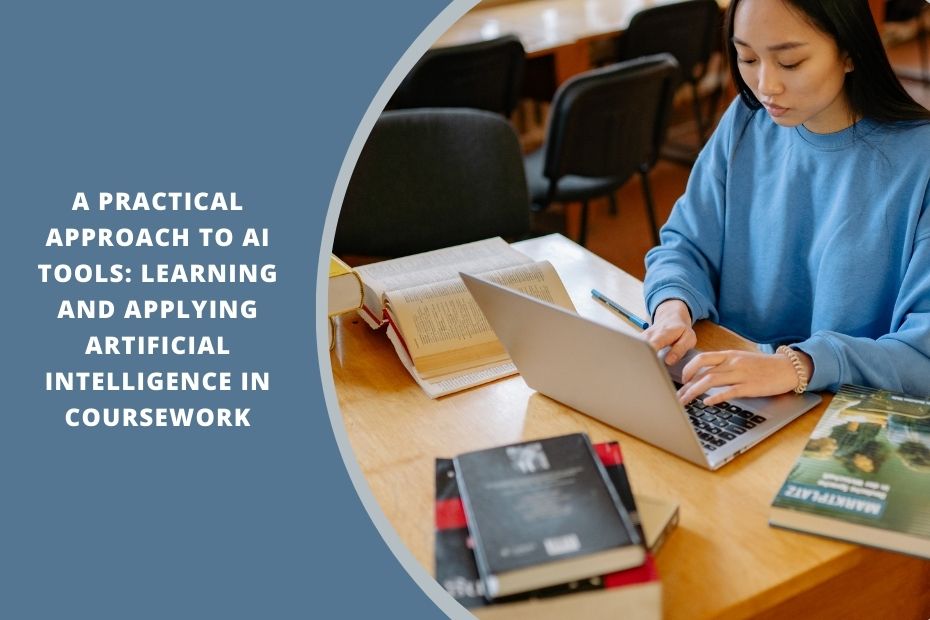
Artificial intelligence has changed the way students approach coursework, making research, writing, and time management more efficient. Over the years, I’ve worked with students who use AI tools to streamline their academic work, but I’ve also seen cases where over-reliance on technology led to weaker critical thinking skills. AI is a valuable assistant, but it should never replace independent analysis and creativity. The key to getting the most out of AI is knowing which tools to use, when to use them, and how to integrate them into daily study routines without sacrificing original thought.
Selecting the Right AI Tools for Coursework
Not all AI tools serve the same purpose, and choosing the wrong one can lead to distractions rather than productivity. I always advise students to start by identifying their specific academic challenges. If writing and proofreading are the main concerns, AI-powered editors like Grammarly or Hemingway can help refine sentence structure and improve clarity. However, for more advanced writing assistance, tools like ChatGPT can help generate ideas and structure arguments—though they should never be used as a substitute for original work.
Research-heavy coursework requires a different set of AI tools. Platforms like Elicit and Semantic Scholar can quickly scan thousands of academic papers, summarizing key points and highlighting relevant sources. I’ve seen students waste hours digging through research articles when a properly configured AI tool could have delivered the same results in minutes. That said, verifying the credibility of AI-sourced information is essential. AI is useful for filtering information, but the responsibility for confirming accuracy always falls on the student.
Using AI for Research and Information Gathering
Research is one of the most time-consuming aspects of coursework, and AI has dramatically improved efficiency in this area. I often recommend AI search engines for locating academic papers because they use natural language processing to provide more precise search results. This eliminates the frustration of sifting through irrelevant sources. However, relying solely on AI-generated summaries can be risky. I’ve seen cases where AI misinterpreted data or presented outdated findings, which is why I always stress the importance of reading original sources before citing them in coursework.
One of the best ways to use AI in research is to let it act as a guide rather than a final source. AI tools can identify trends across multiple studies, suggest related topics, and even highlight gaps in existing research. This helps students build stronger arguments and see connections they might have missed otherwise. When used correctly, AI makes research faster and more structured without replacing the need for critical thinking.
Improving Writing and Proofreading with AI
Strong writing skills are essential for academic success, and AI-powered writing tools can help refine drafts and catch mistakes that might otherwise go unnoticed. I always tell students to treat AI like a second pair of eyes—it can highlight grammar issues, suggest better phrasing, and even check for plagiarism, but it should never take over the writing process.
One mistake I see frequently is students using AI to generate entire sections of essays without fully understanding the content. While AI can help organize thoughts and suggest logical structures, the final writing should always reflect the student’s voice and reasoning. I encourage students to draft their work first, then use AI for refinement. This method maintains originality while still benefiting from AI’s ability to enhance clarity and coherence.
Personalized Learning Through AI Tutoring
One of the most exciting applications of AI in education is its ability to personalize learning. Unlike traditional study methods, AI tutoring platforms adapt to individual strengths and weaknesses, creating customized learning plans based on performance. I’ve seen students struggling with math concepts make rapid progress by using AI-based problem solvers that offer step-by-step explanations rather than just providing answers.
Language learning is another area where AI excels. Interactive AI tutors like Duolingo and ChatGPT-based language assistants allow students to practice conversations in real-time. This kind of adaptive learning accelerates skill development in a way that static textbooks cannot. However, I always emphasize that AI should be a supplement to classroom instruction, not a replacement. Engaging with human instructors and participating in discussions are still crucial for developing a well-rounded understanding of any subject.
Enhancing Time Management with AI-Powered Planning
Managing coursework, deadlines, and study sessions efficiently requires discipline, but AI tools can make the process easier. I often recommend AI-powered scheduling apps that analyze study habits and suggest optimal times for learning. These apps help students avoid procrastination by breaking down coursework into manageable tasks, ensuring they stay on track.
AI-driven planners also make group projects more efficient. Shared calendars and collaborative task lists keep team members accountable, reducing last-minute scrambles to meet deadlines. The key to making AI scheduling tools work is consistency—setting up an intelligent plan is useless if it’s not followed. AI can suggest the best schedule, but only self-discipline ensures it’s executed effectively.
Avoiding Over-Reliance on AI in Academic Work
AI is a powerful tool, but I’ve seen students fall into the trap of letting it do too much of the work. The purpose of coursework is to develop analytical skills, and if AI is used to generate entire assignments, the learning process is lost. Universities are increasingly aware of AI misuse, and many have implemented strict guidelines regarding AI-assisted work. While AI can be used ethically for brainstorming and proofreading, final submissions should always reflect independent effort.
The best approach is to use AI as an enhancer, not a replacement. AI should assist with structuring research, clarifying complex concepts, and improving writing quality—but it should never be the sole contributor to an assignment. A good test is to ask whether the work still makes sense without AI’s involvement. If removing AI weakens the assignment, then it’s a sign that too much dependence has developed.
Key Takeaways for Applying AI in Coursework
- Choose AI tools wisely for writing, research, and time management.
- Verify AI-sourced research to ensure accuracy and credibility.
- Use AI for refinement, not creation—maintain original thought.
- Leverage AI tutoring for personalized learning support.
- Manage time with AI planners but maintain self-discipline.
- Avoid AI over-reliance to develop critical thinking skills.
In Conclusion
Artificial intelligence has transformed how students approach coursework, but using it effectively requires balance. The best results come from treating AI as a study assistant rather than a substitute for effort. AI tools can streamline research, improve writing, and optimize study schedules, but learning remains an active process. The most successful students use AI strategically—leveraging its strengths while ensuring that their own skills continue to develop. AI is a resource, not a replacement, and when applied correctly, it enhances academic performance without diminishing the value of independent thinking.

Chrysilios Chrysiliou is a commercial real estate executive at RDPH Properties, Inc. with a diverse background in aviation and entrepreneurship. A former Greek Air Force Academy graduate, flight instructor, and flight school co-owner, he now leverages decades of strategic leadership to identify and develop high-value real estate opportunities.