
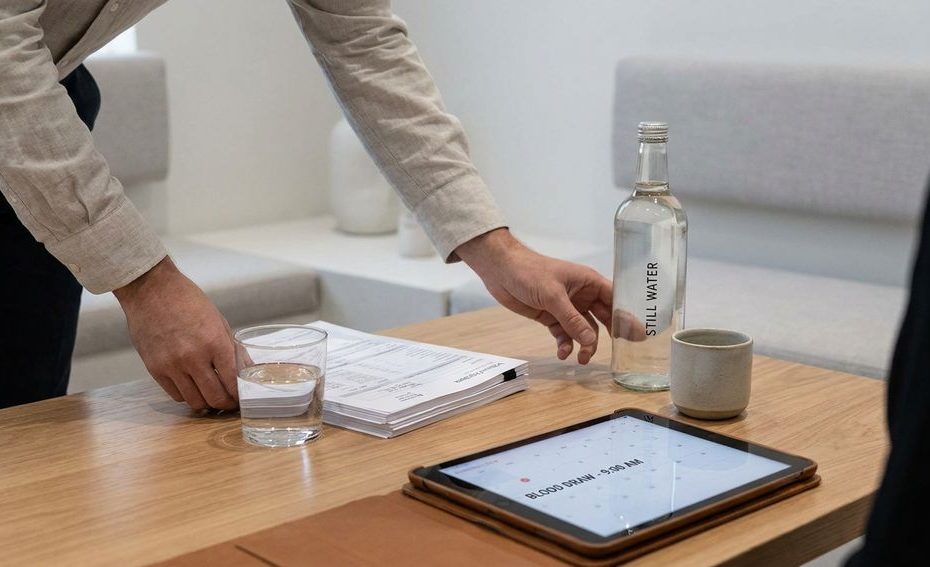
Good lab work preparation means checking your test instructions, fasting only when directed, drinking water unless told otherwise, reviewing medications and supplements with your clinician, and bringing the correct documents. The exact steps depend on the tests ordered, so your clinician’s or laboratory’s instructions should guide you.
Fuzzy directions can lead to unreliable results, a delayed appointment, or a return trip. Questions about coffee, morning medications, vitamins, and fasting are common, and the answers aren’t identical for every test. Use this guide to confirm what you need to do and make your blood draw easier.
Why Does Lab Work Preparation Matter?
Your activities before a laboratory appointment can temporarily change certain measurements in your blood. Eating, drinking alcohol, exercising, becoming dehydrated, or taking certain supplements may affect results depending on the test.
Preparation is part of the pre-analytical phase, which covers everything that happens before your sample is tested. Following the correct instructions helps your results reflect your usual health rather than a recent meal, workout, or supplement dose. It can also reduce the chance that your clinician will need to repeat a test.
Don’t assume that every blood test requires the same routine. A fasting glucose test may have different instructions from a complete blood count (CBC), thyroid test, or cholesterol panel. Read the order, check the laboratory’s directions, and call if any instruction is unclear.
How Long Should You Fast Before Blood Work?
Most fasting blood tests require you to avoid food and all drinks except water for 8 to 12 hours. Confirm the exact fasting window because the required duration depends on the tests your clinician ordered.
A fasting period often starts after your evening meal and continues until a morning appointment. During that window, don’t eat snacks, chew gum, use mints, or drink beverages containing calories or stimulants. Smoking should also be avoided during the fasting period.
Fasting may be requested for a glucose test, certain metabolic testing, triglyceride measurement, or a specific lipid panel. A complete blood count and most thyroid tests generally don’t require fasting, and routine cholesterol testing doesn’t always require it. Your order may combine several tests, so one fasting test can determine the preparation required for the full appointment.
What Can You Drink Before Lab Work?
Plain water is generally allowed during a fast and can help make your veins easier to access. Coffee, tea, juice, flavored water, and other beverages can break the fasting instructions, even when you don’t add milk or sugar.
Hydration before a blood draw can make veins more visible and may reduce discomfort during venipuncture. Drink water normally in the hours before the appointment rather than consuming a large amount immediately before leaving home. Follow any fluid restrictions you’ve received for a medical condition or a specific test.
Black coffee doesn’t count as water. Caffeine and other compounds in coffee may affect certain readings, so wait until the draw is finished unless your clinician or laboratory tells you it’s permitted. The same caution applies to tea, gum, mints, and smoking during a fasting window.
Can You Take Medications And Supplements Before A Blood Test?
Don’t stop a prescription medication without instructions from the clinician who manages it. Many routine medications can be taken with a small sip of water, but some medicines and supplements can interfere with particular laboratory tests.
Ask about medication timing before the day of your appointment. Give your clinician or laboratory a current list that includes prescriptions, over-the-counter products, vitamins, herbal products, and nutritional supplements. Include the dose and the usual time you take each product when possible.
High-dose biotin, often found in products marketed for hair, skin, and nails, can interfere with some thyroid and cardiac biomarker tests. Your clinician may ask you to stop it for 72 hours, but you shouldn’t make that decision without checking first. If you already took it, tell the laboratory staff and the clinician who ordered the test.
Should You Avoid Alcohol And Exercise Before Lab Work?
Avoid alcohol and strenuous exercise for at least 24 hours before a blood draw unless your clinician gives different instructions. These activities can temporarily alter liver enzymes, creatine kinase (CK), and other measured values.
A hard workout shortly before testing can produce results that don’t represent your normal resting state. Schedule intense training after the draw or choose lighter activity during the preceding day. Tell the laboratory staff if strenuous work, exercise, or an athletic event couldn’t be avoided.
Alcohol can also affect hydration and several laboratory measurements. Skipping it the day and night before your appointment removes one preventable source of variation. Continue drinking plain water unless your medical instructions limit fluids.
What Should You Bring And Wear To A Lab Appointment?
Bring your photo identification, insurance card, laboratory order or test requisition, and any paperwork supplied by your clinician. A current medication and supplement list can help staff document products that may affect your results.
Wear a short-sleeved shirt or loose sleeves that roll above your elbow without restricting your arm. Tight cuffs can make positioning uncomfortable and slow the blood draw. Choose clothing that allows staff to reach the usual collection area easily.
Arrive with enough time to check in, confirm the tests, and discuss any preparation concerns. Before the draw begins, mention a history of fainting, difficult blood draws, needle anxiety, or problems with a particular arm. You can also ask to lie down if you tend to feel lightheaded.
Lab Appointment Checklist
- Photo identification
- Insurance card
- Laboratory order or test requisition
- Required forms from your clinician
- Medication and supplement list
- Short sleeves or loose, rollable sleeves
- Water, when permitted by your instructions
How Should You Prepare For Lab Work In Special Situations?
If you have diabetes, are pregnant, are preparing a child, or care for an older adult, confirm fasting instructions directly with the clinician. Don’t change meal timing, insulin, prescription drugs, or fluid intake without medical guidance.
People with diabetes may face low blood sugar during a fast, especially when glucose-lowering medication is involved. Ask how to manage medication and when to eat, and schedule an early appointment when available. Bring food for after the draw if your care team recommends it, and alert staff immediately if you feel weak, shaky, confused, or faint.
Children, pregnant patients, and older adults may need test-specific planning around hydration, medications, or appointment timing. Explain the fasting window in simple terms when preparing a child and bring any items recommended by the laboratory. If fasting seems unsafe or difficult, contact the ordering clinician rather than changing the instructions yourself.
What Should You Do If You Accidentally Break Your Fast?
Tell the laboratory staff exactly what you consumed, how much you had, and when you had it. Don’t hide the mistake or decide on your own that the test is no longer useful.
A sip of coffee, a snack, gum, or a supplement dose doesn’t affect every test in the same way. Laboratory staff or the ordering clinician can determine whether to continue, interpret the result with that information, or reschedule the fasting portion. Being specific gives them the information needed to make that call.
If you’re unsure whether you followed the instructions correctly, call before traveling to the laboratory. This can prevent a wasted trip and reduce the chance of paying for testing that must be repeated. If the draw goes ahead, make sure the preparation issue is documented.
Which Common Blood Tests Require Fasting?
Fasting requirements depend on the individual test and the complete set of tests on your order. A test that usually doesn’t require fasting may be collected alongside one that does.
Routine complete blood counts, most thyroid tests, liver panels, and many hormone tests generally don’t require fasting. Glucose testing, triglyceride measurement, and certain metabolic or lipid panels may require a defined fasting period. Routine cholesterol testing can sometimes be performed without fasting, but triglycerides and certain ordered panels may still require 9 to 12 hours.
Use the table as general blood work preparation guidance, not as a replacement for your personal instructions. The clinician who ordered the tests and the laboratory performing them should settle any conflict.
Typical Lab Test Preparation
|
Test Or Panel |
Typical Fasting Guidance |
What To Confirm
|
|
Complete Blood Count (CBC) |
Fasting is generally not required |
Whether another ordered test requires fasting |
|
Most Thyroid Tests |
Fasting is generally not required |
Medication timing and biotin use |
|
Liver Panel |
Fasting is often not required |
Alcohol, exercise, medications, and combined tests |
|
Fasting Glucose Test |
Fasting is commonly required |
The exact window and diabetes medication plan |
|
Lipid Or Cholesterol Panel |
May be fasting or non-fasting |
Whether triglycerides or other fasting measurements were ordered |
|
Basic Metabolic Testing |
Requirements vary |
Whether glucose or another fasting measurement is included |
|
Hormone Testing |
Many tests don’t require fasting |
Timing, medication use, and test-specific directions |
How Can You Make A Blood Draw Easier?
Drink plain water when permitted, wear accessible clothing, and tell the person drawing your blood about previous difficulties. These simple venipuncture tips can reduce stress and help staff plan the draw.
If needles make you anxious, look away from the equipment and keep your breathing slow and steady. Tell staff before they begin rather than waiting until you feel faint. They can position you more safely, explain what they’re doing, and give you time to recover afterward.
Keep your arm relaxed during the draw and follow the collector’s instructions about making a fist. Afterward, apply pressure for the requested amount of time and stand up slowly if you’ve been fasting or tend to become lightheaded. Ask when you can eat, take delayed medication, or resume exercise if those points aren’t already clear.
How Do You Prepare For Lab Work Before Your Appointment?
- Fast 8–12 hours if your test requires it.
- Drink water unless told otherwise.
- Take routine meds with a sip of water.
- Avoid alcohol and intense exercise for 24 hours.
- Bring your lab order, ID, and insurance card.
Walk In Ready, Not Guessing
Reliable lab work preparation starts with the instructions attached to your specific order. Confirm whether you need to fast, drink plain water when allowed, review medication and supplement timing, and avoid alcohol and strenuous exercise before the draw. Bring your documents, wear sleeves that provide easy arm access, and tell staff about fainting, anxiety, or preparation mistakes. A short call before your appointment is better than guessing, especially when fasting, diabetes medication, pregnancy, or supplement interference is involved. When you prepare carefully and report anything unusual, your clinician receives results that are easier to interpret.
References
- MedlinePlus: How to Prepare for a Lab Test
- MedlinePlus: Fasting for a Blood Test
- Mayo Clinic: Fasting Before a Blood Test
- Cleveland Clinic: How to Prepare for Blood Work
- Quest Diagnostics: Prepare for a Lab Test
- Labcorp: Patient Test Instructions
- Testing.com: Laboratory Test Preparation
- American Heart Association: How to Get Your Cholesterol Tested
- National Heart, Lung, and Blood Institute: Blood Tests.

Chrysilios Chrysiliou is a commercial real estate executive at RDPH Properties, Inc. with a diverse background in aviation and entrepreneurship. A former Greek Air Force Academy graduate, flight instructor, and flight school co-owner, he now leverages decades of strategic leadership to identify and develop high-value real estate opportunities.