
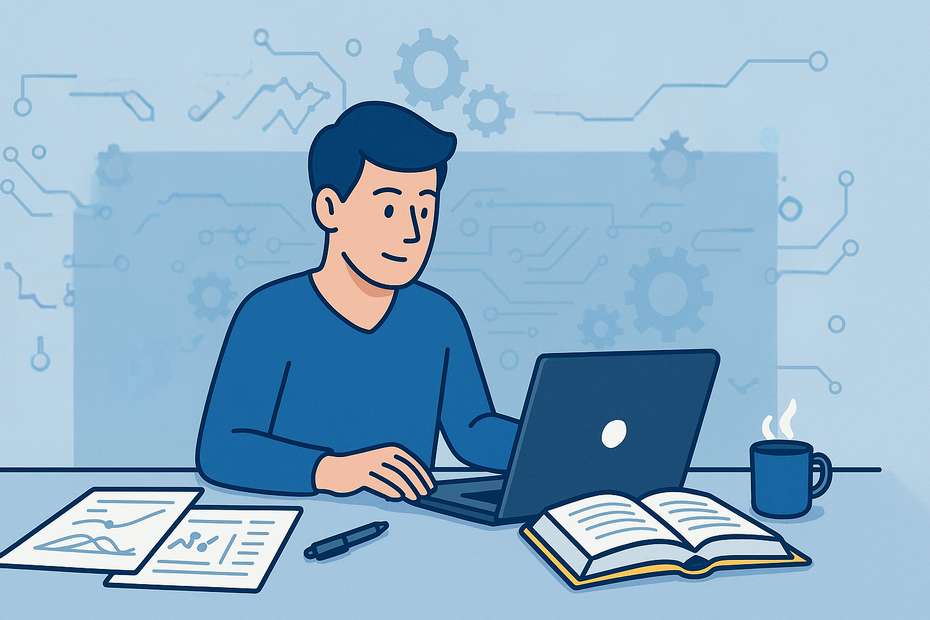
Technology doesn’t slow down—and if you’re working in STEM, you can’t either. Whether you’re deep in data science, managing engineering projects, or leading innovation in the classroom, staying updated is no longer optional. You’re constantly expected to apply new tools, understand emerging methods, and work across systems that evolve faster than most formal education can keep up. This guide shows you how to keep your edge by using accessible, credible, and flexible learning options that fit your schedule. From online courses and certifications to active peer communities, journals, and interactive webinars, you’ll find the most efficient ways to learn on your terms—and stay ahead in your field without burning out.
Tap into Online Courses That Fit Your Schedule
You don’t need a second degree to stay sharp. You can use platforms like Coursera, edX, or FutureLearn to access industry-grade courses from universities and tech leaders. These platforms offer flexible formats—you can choose self-paced classes or time-limited bootcamps with hands-on assignments. If you’re brushing up on AI, machine learning, or engineering design, there’s likely a university-level course with a free audit option and an optional certificate if needed for credibility.
If you’re a developer, platforms like FreeCodeCamp or The Odin Project offer structured paths through front-end, back-end, and full-stack development. They focus heavily on building real projects, which makes your learning more practical. Whether you want to pivot or specialize further, these courses help you build relevant skills without taking you out of your current role.
Earn Recognized Certifications to Validate Your Knowledge
Sometimes, structured certification holds more weight—especially if you’re aiming to lead teams or apply for promotions. Organizations like the National Science Teaching Association (NSTA) and the International Society for Technology in Education (ISTE) provide focused training programs that lead to credible certificates. These aren’t theoretical. They’re designed for professionals applying knowledge in real STEM environments—classrooms, labs, or tech departments.
You’ll also find value in certifications offered by Google, AWS, or Microsoft. They focus on practical use of platforms, tools, and infrastructure, which makes them ideal if you’re transitioning into data analysis, cloud computing, or DevOps. Many programs now include built-in project reviews and hands-on labs, which give you more than just theory to show for your time.
Join Live Webinars for Timely, Actionable Insights
When new technologies break, you’ll usually hear about them first in a live webinar. Whether it’s a software launch, a new instructional method, or a trending data visualization tool, subject matter experts share quick, high-value briefings you can attend during your lunch hour or while commuting. Organizations like AAAS, ISTE, and CESSE frequently host panels, Q&A sessions, and demonstrations that connect theory with immediate application.
You can also explore topic-specific platforms—like Tinkrworks for STEM education or GitHub Live for open-source engineering discussions. These events often include real-time questions, which makes them interactive and a chance to connect with others in your field. If your schedule is tight, many sessions are recorded and available for replay.
Attend Hands-On Workshops and Conferences
Some learning just works better in person—or in highly interactive virtual environments. STEM-focused workshops give you the opportunity to test tools, brainstorm with peers, and solve specific challenges in real time. Events hosted by ASEE (American Society for Engineering Education) or AFCEA offer practical sessions in software engineering, systems modeling, and applied research. If you’re in education, STEMscopes and the National Institute for STEM Education offer immersive workshops that focus on hands-on teaching strategies and instructional design.
Conferences such as ISTELive and the Educause Annual Conference go further, combining product expos with peer-reviewed sessions and interactive labs. These are ideal for discovering emerging tech, gathering practical resources, and strengthening your professional network—all in one setting.
Build Knowledge Through Professional Communities
It’s easier to stay updated when you surround yourself with people who are learning too. Joining a community—online or in-person—turns learning into a habit. Platforms like Reddit, Stack Overflow, or Discord host topic-specific discussions for AI, cybersecurity, quantum computing, and more. If you’re more research-oriented, academic LinkedIn groups or Twitter threads curated by field leaders can direct you to papers, tools, or ongoing debates worth exploring.
If you’re in education, peer-led PLCs (Professional Learning Communities) and ISTE chapters provide ongoing access to micro-sessions, group reflection, and open resource sharing. These groups help you apply what you learn faster, by letting you compare how others solve similar problems using the same tools.
Use Journals and Blogs to Track Real-Time Trends
Not every valuable resource comes through a course or event. Following the right journals, blogs, and email digests helps you catch breakthroughs, tool updates, and case studies that matter to your work. The International Journal of STEM Education, Educause Review, and the Journal of Engineering Education publish practical research findings, while blogs from Google AI, IBM Research, and Medium’s data science communities surface use cases you won’t see in textbooks.
Set up RSS feeds or email digests that highlight only your interest areas—this prevents information overload. If you’re in a leadership role, these sources help you stay a step ahead when evaluating tools, updating team workflows, or adapting new strategies for project implementation.
Create a Self-Guided Learning Routine
No matter how many resources you bookmark, none of them matter unless you fit them into your day. You need a process. Set clear, achievable goals: maybe it’s completing one short course per quarter, attending a webinar monthly, or publishing a reflection based on new learning every two weeks. You can use apps like Notion, Obsidian, or Trello to organize content, take notes, or build a resource library you’ll come back to.
Make sure to apply what you learn quickly. Start a mini-project that tests your new skill. Write about it. Share code. Present it to peers. This cycle of action, reflection, and feedback helps transform passive content into meaningful development—and turns learning into a visible career asset.
Ongoing Learning Tools for STEM Professionals
- Coursera, edX, and FreeCodeCamp for flexible online courses
- NSTA, ISTE, and Microsoft certifications for structured credentials
- Live webinars and recorded panels from AAAS, ISTE, and Tinkrworks
- Peer communities on Reddit, LinkedIn, or Discord
- Industry journals, blogs, and curated tech digests
In Conclusion
If you’re in STEM, staying current means being intentional with your learning. It’s not about chasing every trend—it’s about knowing where to invest your attention and how to turn resources into outcomes. By combining flexible courses, credible credentials, community learning, and project-based growth, you build a professional development strategy that keeps you sharp without overwhelming your schedule. In a field driven by constant innovation, the real edge isn’t just knowledge—it’s the ability to keep learning efficiently, intelligently, and with purpose.

Chrysilios Chrysiliou is a commercial real estate executive at RDPH Properties, Inc. with a diverse background in aviation and entrepreneurship. A former Greek Air Force Academy graduate, flight instructor, and flight school co-owner, he now leverages decades of strategic leadership to identify and develop high-value real estate opportunities.