
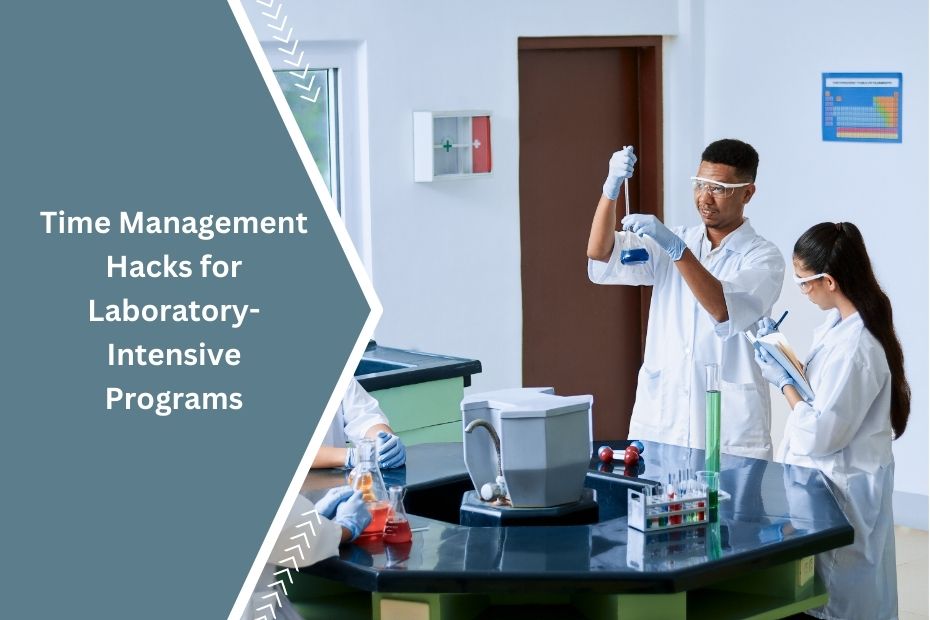
Juggling coursework and lab work in a laboratory-intensive program can feel overwhelming. Between long hours spent conducting experiments, analyzing data, and writing reports, it’s easy to lose track of time. Effective time management is not just a helpful skill—it’s essential for staying on top of deadlines while maintaining accuracy and efficiency in the lab. Over the years, I’ve worked with students and researchers who struggled to balance lab schedules with coursework, and I’ve seen firsthand how proper planning, prioritization, and smart workflow adjustments can dramatically improve productivity. Managing time well doesn’t just lead to better academic performance; it reduces stress and allows for a more structured approach to research and assignments.
Prioritizing Tasks for Maximum Efficiency
A structured approach to prioritization is the first step in mastering time management. Lab work requires precision and often involves multiple tasks running simultaneously—setting up experiments, recording results, analyzing data, and writing reports. To avoid wasting time, I recommend using the Eisenhower Matrix, which categorizes tasks into four groups:
- Urgent and Important – Experiments with strict deadlines, last-minute corrections, or urgent lab reports.
- Important but Not Urgent – Research planning, literature reviews, and long-term project analysis.
- Urgent but Not Important – Routine lab maintenance, scheduling meetings, or minor administrative tasks.
- Neither Urgent nor Important – Distractions that don’t contribute to lab productivity or coursework.
Focusing on tasks that fall into the first two categories ensures that critical work is completed without last-minute stress. The key is to proactively schedule important tasks before they become urgent.
Organizing Lab Work with a Structured Schedule
One of the biggest time-wasters in a lab setting is poor scheduling. Experiments often require waiting periods—incubation times, chemical reactions, or data processing—which can be used productively. I always advise planning lab sessions in blocks, ensuring that passive lab time is filled with coursework, data analysis, or writing.
A good approach is batch processing similar tasks together. If multiple experiments require the same preparation steps, completing them in a single session reduces repetitive work. Keeping a detailed lab notebook with clear schedules also helps track progress and anticipate future workload. By allocating time efficiently, it’s possible to reduce idle periods and keep productivity high.
Using Time Management Techniques for Better Focus
Long lab sessions can make it difficult to stay focused, especially when experiments demand repetitive actions. Time management techniques like the Pomodoro Technique work well for maintaining concentration. This involves working in 25-minute focused intervals, followed by a short break. I’ve seen this method help students stay engaged during long study or research sessions without feeling mentally drained.
For lab-intensive programs, task batching can also make a difference. Instead of switching between different types of work, grouping similar tasks together increases efficiency. For example, setting aside specific blocks of time for data analysis, literature review, or report writing prevents constant mental switching, which often leads to reduced productivity.
Keeping an Organized Workspace for Maximum Productivity
A cluttered lab bench or workspace can slow down workflow. Time is often lost searching for reagents, instruments, or samples. A simple habit that makes a big difference is setting up the workspace before starting experiments. This means gathering all materials, labeling everything clearly, and ensuring the necessary equipment is functioning properly.
In shared lab environments, coordination with colleagues is just as important. Scheduling shared equipment in advance prevents delays, and a well-maintained communal workspace helps everyone work more efficiently. A clean, organized space saves time and minimizes errors, which can be costly in experimental work.
Leveraging Technology and Digital Tools
With so many tasks to juggle, digital tools can help streamline workflows. Project management apps like Trello or Notion assist in tracking deadlines, organizing literature reviews, and planning weekly lab tasks. Cloud storage solutions keep lab notes accessible from anywhere, ensuring no data is lost. For data analysis, using automation tools for repetitive calculations saves hours of manual work.
Some researchers also use voice-to-text apps for quicker note-taking during experiments, reducing the time spent on documentation. By integrating technology into lab routines, students can automate repetitive tasks and free up more time for deep-focus work.
Balancing Coursework and Laboratory Responsibilities
Balancing coursework with lab work requires careful scheduling. Many students underestimate the time required for lab reports and assignments, leading to last-minute stress. A weekly planner that includes both lab sessions and coursework deadlines prevents conflicts and allows for early adjustments.
One of the most effective habits is setting aside dedicated time blocks for coursework. After long lab hours, mental fatigue makes it difficult to focus on theoretical subjects, so scheduling study time during peak mental energy hours helps. Breaking coursework into smaller, manageable segments rather than cramming at the last minute makes a significant difference.
Collaborating and Delegating Tasks Efficiently
Lab work often involves group projects, and collaboration can be a major time-saver. Learning how to delegate tasks effectively within a research team ensures that work is distributed fairly. I’ve worked with students who tried to take on every part of a project themselves, only to end up exhausted and falling behind. When possible, splitting responsibilities—such as data collection, analysis, and report writing—allows each team member to focus on their strengths while completing work more efficiently.
Communication within a lab team also plays a role in time management. Regular check-ins with lab partners help identify bottlenecks and prevent duplicate work. A well-organized team always works faster than individuals trying to manage everything on their own.
Reviewing and Adjusting Time Management Strategies
Time management is not a one-size-fits-all process. What works for one student may not work for another. I always recommend reviewing weekly schedules to see where time is being wasted. Keeping track of how long different lab tasks take helps in future scheduling, ensuring more accurate time estimates.
Adjustments should be made based on what’s working and what isn’t. If a certain time management strategy isn’t producing results, changing the approach is better than sticking with an ineffective system. The goal is continuous improvement—refining the process to maximize efficiency while reducing unnecessary stress.
Time Management Tips for Laboratory-Intensive Programs
- Prioritize tasks using the Eisenhower Matrix.
- Plan lab work efficiently to maximize passive experiment time.
- Use time management techniques like Pomodoro intervals.
- Keep a well-organized workspace to reduce delays.
- Leverage digital tools for scheduling and tracking tasks.
- Balance coursework and lab work with structured study blocks.
- Delegate tasks and collaborate for efficient teamwork.
- Regularly review and adjust time management strategies.
In Conclusion
Managing time in a laboratory-intensive program requires planning, organization, and flexibility. Lab schedules can be unpredictable, but using structured time management techniques makes it easier to stay on track. The most successful students and researchers don’t just work harder—they work smarter by prioritizing tasks, leveraging digital tools, and optimizing their schedules for maximum productivity. With the right approach, it’s possible to manage lab work and coursework without feeling constantly overwhelmed.

Chrysilios Chrysiliou is a commercial real estate executive at RDPH Properties, Inc. with a diverse background in aviation and entrepreneurship. A former Greek Air Force Academy graduate, flight instructor, and flight school co-owner, he now leverages decades of strategic leadership to identify and develop high-value real estate opportunities.